



The House Always Wins? Why Smart Players Still Love iGaming
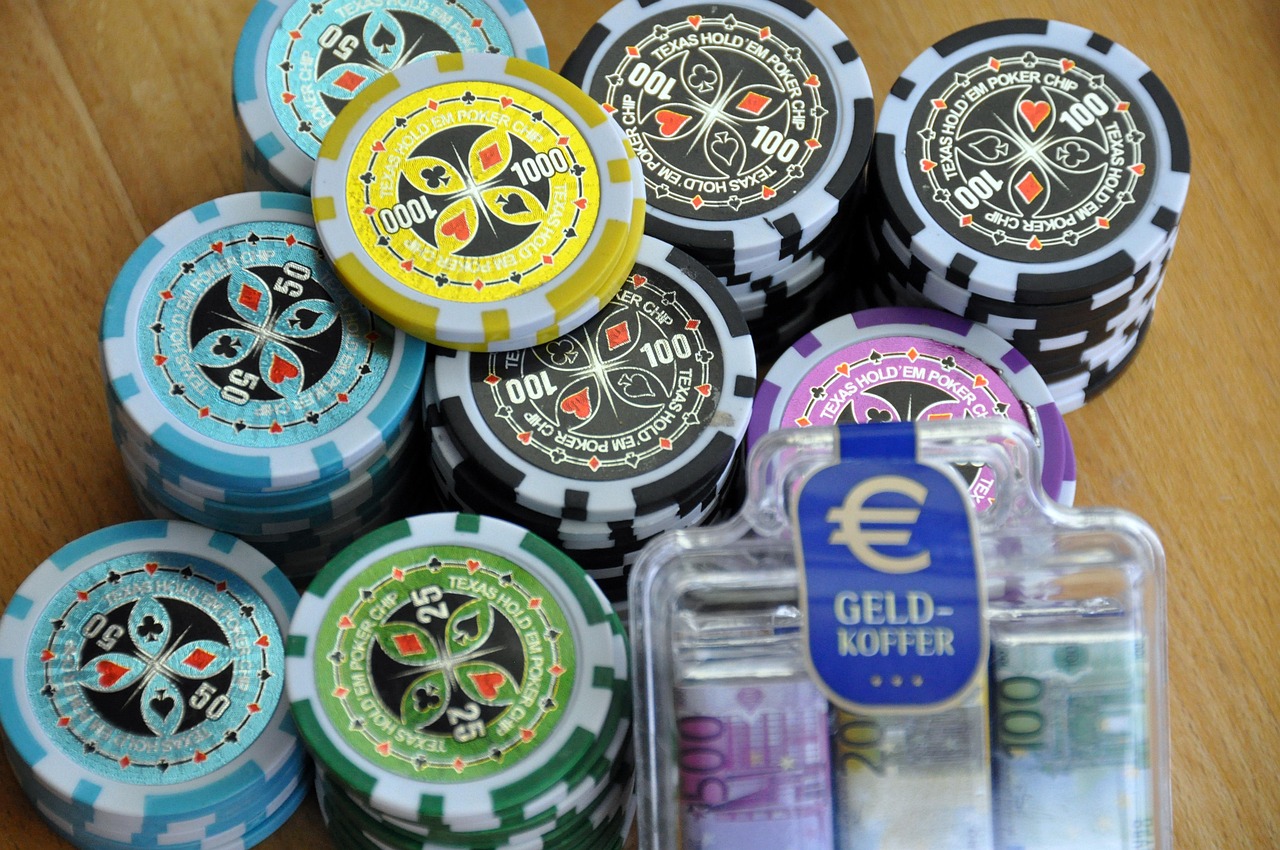
The casino doesn't rig the roulette wheel, and the slot machine doesn't decide to punish you personally. The math is already baked in — you just have to know how to read it. That single realization separates the frustrated punter who torches their bankroll in twenty minutes from the sharp player who treats iGaming like a skill-adjacent hobby with a budget line. The industry is projected to blow past $100 billion in global revenue this decade, and it keeps growing because online gambling offers something land-based casinos never could: convenience, choice, and data. If you're going to participate, you might as well understand what you're actually participating in.
The House Edge Is Not a Mystery — It's a Number
Every casino game has a mathematical edge for the operator. That's not a conspiracy; it's the business model. What matters is how big that edge is and how the game plays in practice.
Consider the differences in common games:
- Blackjack with basic strategy: roughly 0.5% house edge, one of the best bets on the floor.
- European roulette (single zero): 2.7% edge, versus American roulette with two zeros at 5.26%.
- Baccarat banker bet: about 1.06% — genuinely one of the friendliest wagers in the building.
- Slots: typically 2% to 10% depending on the machine, with progressive jackpot slots often sitting at the higher end.
Where people go wrong is treating these numbers as abstract trivia. A 5% edge on slots means for every $100 you cycle through, you lose $5 on average — but you might lose it in six spins or never touch it in three hundred. Variance is the wild card, and it's why a slot session feels so different from a baccarat session even when the edges are comparable.
Slots: Earning Your Entertainment, Not Chasing Jackpots
Slots get dismissed as mindless, but there's actual strategy to how you approach them. First, look at RTP (return to player). An RTP of 96% means the game pays back 96 cents per dollar wagered over millions of spins. Modern high-volatility slots, like the ones that dominate streaming channels, might pay out every two hundred spins — so if your bankroll can't survive that dry spell, you're playing the wrong game.
Second, understand volatility. Low-volatility slots pay small amounts frequently. High-volatility slots pay rarely but potentially huge. Matching your bankroll size to the slot's volatility profile is the single most overlooked skill for new players. A $100 bankroll on a high-volatility game is a donation; the same $100 on a low-volatility title might stretch for a few hours of entertainment.
Third, treat bonuses and free spins as the math levers they are. A 100% match bonus with a 35x wagering requirement on slots is effectively a chance to extend play, not free money. Read the terms — minimum odds, game weighting, and expiry windows all shape whether the bonus is worth chasing.
Poker Is Where Skill Still Outruns Luck
Poker is the outlier in the iGaming world. The house doesn't take an edge on your hand — it takes a rake, usually 2.5% to 10% of the pot, capped at a set amount. That means your long-term results are determined by how well you play against the other humans at the table, not by a random number generator.
That said, the modern online poker pool is brutal. Solvers and training tools mean the average regular plays near-GTO (game theory optimal) in many spots. A few practical adjustments for anyone taking it seriously: Before making a choice, it helps to review mahjong way 1.
- Start at micro-stakes. Nobody is impressed by your $0.02/$0.05 results, but that's exactly where your leaks become visible.
- Track your hands. Software like PokerTracker or Hold'em Manager gives you stats on VPIP, PFR, and 3-bet frequencies — the vocabulary of anyone who wants to progress.
- Learn position, not tricks. Button and cutoff play drive profitability far more than any flashy bluff.
- Expect variance. Even a winning player can lose for 50,000 hands. Bankroll management (20+ buy-ins minimum) exists for a reason.
If that sounds like work, it is. Poker rewards study for the same reason chess does — and punishes laziness at the tables just as severely.
Sports Betting: Pricing Information, Not Guessing Outcomes
Betting is where a lot of casual iGaming interest now sits, and it's the most misunderstood. The bookmaker's margin — the vig or overround — typically sits between 2% and 8% depending on market and liquidity. That margin is the price of your ticket, not a reflection of who wins.
The sharp bettors don't try to predict games. They look for mispriced lines, where the implied probability of a book's odds doesn't match their own model. That's why line shopping matters: taking a +145 line at one book instead of +135 at another on the same bet is free equity over hundreds of wagers. Bonuses, cash-out options, and free bet offers are tools — not invitations to bet bigger.
One blunt reality: parlays and exotic markets feel exciting because the payout is huge, but they carry drastically higher margins. Stick to main markets (moneyline, spreads, totals) if you care about value, and treat accumulators as entertainment purchases, not investments.
Bankroll, Bonuses, and the Boring Stuff That Actually Matters
Every experienced iGaming player will tell you the same three things, and they're all unglamorous:
- Set a session limit. Deposit limits and time reminders exist on regulated sites for a reason.
- Separate gaming money from bill money. Never in the same account, never borrowed, never "just this once."
- Read the T&Cs for bonuses. A 40x wagering requirement with a maximum cashout cap can turn a "generous" promo into a tight leash.
The operators that dominate the regulated market — the ones licensed in Malta, the UK, or the US states with active online markets — compete on player trust, RTP transparency, and faster withdrawals. Those are the platforms worth your time. Offshore sites promising no-questions-asked payouts are also the ones most likely to disappear when you try to cash out.
Where This Leaves the Player Who Actually Wants to Stay
iGaming isn't a shortcut to wealth, and nobody smart treats it as one. It's a pastime with real money attached, and the players who stick around are the ones who understood that from the moment they signed up. Know the edge, pick your format, size your bankroll to match the variance, and never chase a loss you haven't budgeted for. The people who win most often aren't luckier than you — they've simply stopped pretending the probability doesn't apply to them, and they play accordingly. That's the whole secret. Everything else is noise, marketing, and a spinning reel that will eventually stop wherever it stops.







Master the patience-driven craft of turning a tough pork shoulder into meltingly tender pulled pork with nothing but time, smoke, and a good rub.
Take your salmon to the next level with a cedar plank, a sticky maple bourbon glaze, and the gentle kiss of charcoal smoke.
The fuel you choose shapes everything from flavor to temperature control, so here is how to decide between charcoal, wood, and everything in between.
A well-built fire pit is more than a gathering place, it is a year-round cooking station for everything from steaks to stews.
From Texas brisket to Carolina whole hog, American barbecue is a patchwork of regional traditions, each with its own fuel, sauce, and story.