
Charcoal Versus Wood: Choosing the Right Fuel for Your Cook
Walk into any barbecue supply shop and you will see a wall of options. Lump charcoal, briquettes, hardwood chunks, pellets, and logs of every size and species. For someone just getting into live-fire cooking, it can feel overwhelming. But the truth is that the choice of fuel is one of the most personal decisions you will make, and it depends entirely on what you are cooking, how much time you have, and what kind of flavor you are chasing. There is no single right answer, only trade-offs.
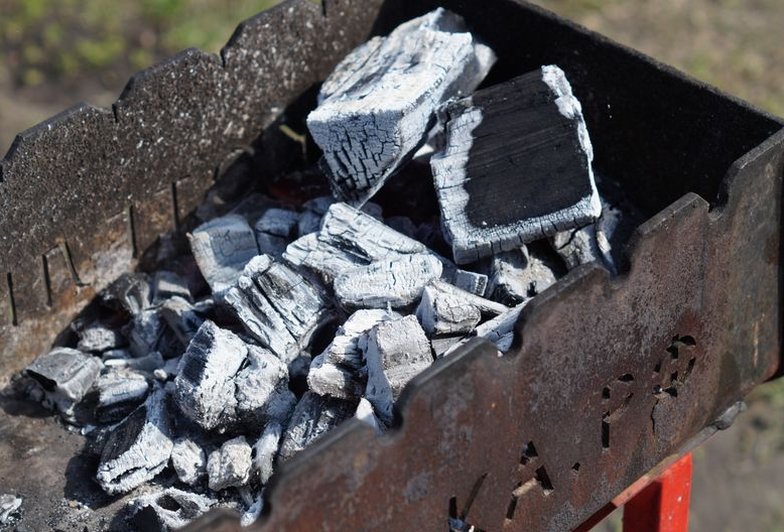
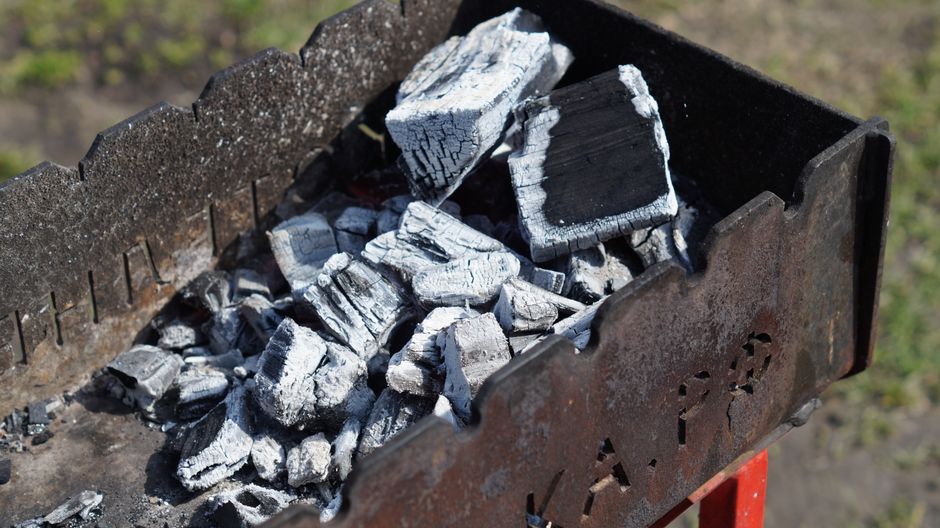
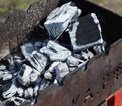
Charcoal is the workhorse of backyard cooking. It burns hot, lights relatively quickly, and gives you a neutral, clean heat that lets the flavor of the meat and the rub take center stage. Within the charcoal world, you have two main camps. Briquettes are uniform, predictable, and cheap. They hold their shape and burn steadily, which makes them ideal for long cooks where you want consistent temperatures. Lump charcoal, on the other hand, is made from whole pieces of charred wood. It burns hotter and faster, produces less ash, and imparts a subtle smokiness that briquettes lack. Many pitmasters use a base of briquettes for steadiness and add lump for bursts of heat.
When Wood Takes the Lead
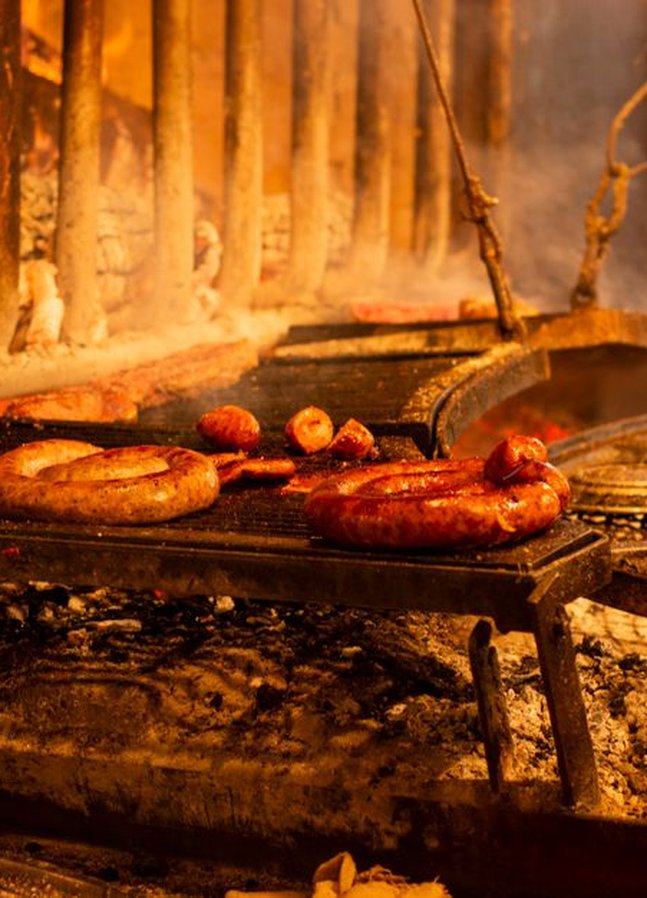
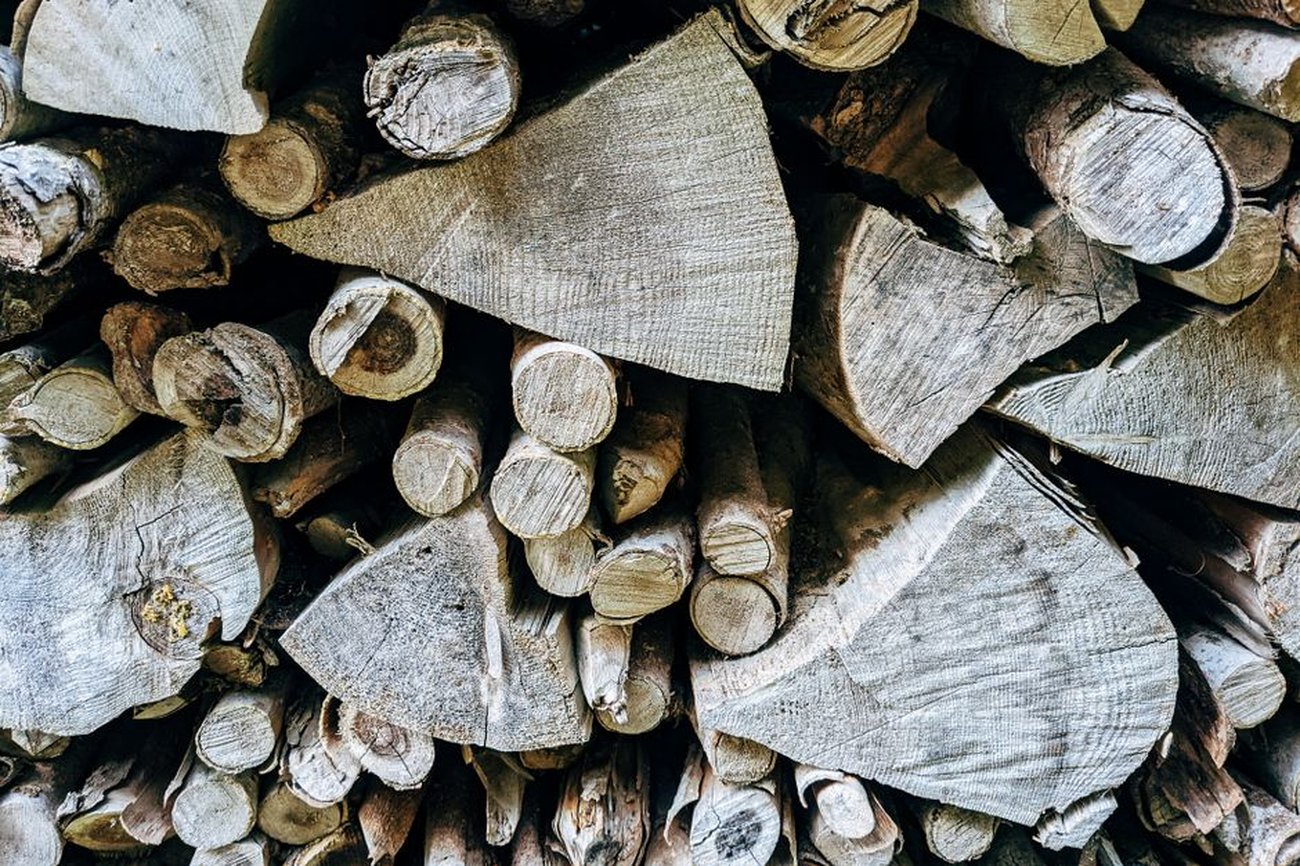
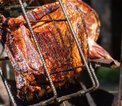
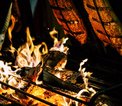
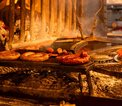
Wood is where things get interesting. Cooking over whole logs or splits is the oldest method there is, and it produces a flavor that nothing else can replicate. The smoke from burning hardwood is complex, layering notes of vanilla, spice, and earth onto whatever you are cooking. But wood is also the most demanding fuel. It requires a fire management skill set that takes time to develop. You need to build a bed of coals, feed the fire at the right intervals, and keep the temperature from spiking or dropping. This is the world of offset smokers, open pits, and Argentine grills.
Different woods bring different personalities. Hickory is strong and assertive, best for pork and beef. Mesquite burns hot and fast, and its smoke is intense, so it works better for quick grilling than long smokes. Apple and cherry are mild and slightly sweet, wonderful for poultry and fish. Oak is the all-rounder, the wood that most barbecue joints in Texas rely on for brisket. Pecan is nutty and rich, a favorite in the South. The general rule is that milder meats call for milder woods, and bolder meats can stand up to stronger smoke.
Blending Fuels for the Best of Both Worlds
In practice, most cooks do not choose one fuel exclusively. The best results often come from blending. A common approach is to use charcoal as your base heat source, then add wood chunks or chips for smoke. This gives you the temperature control of charcoal with the flavor of wood. The key is to add wood early in the cook, when the meat is most receptive to smoke, and then let the charcoal carry the rest. Oversmoking is a real risk, especially with strong woods, so start with a small amount and adjust from there.
Pellet grills have also become a popular middle ground. They feed compressed wood pellets into a fire pot automatically, maintaining temperature with a controller. They are convenient and produce good smoke flavor, though some purists argue they lack the depth of a stick burner. For a weeknight cook, though, they are hard to beat. The bottom line is that your fuel should match your goals. If you want convenience and consistency, charcoal or pellets are your friends. If you want to chase the deepest, most complex flavor, learn to cook with wood. Either way, you are cooking over fire, and that is already a win.

The fuel you choose shapes everything from flavor to temperature control, so here is how to decide between charcoal, wood, and everything in between.
A well-built fire pit is more than a gathering place, it is a year-round cooking station for everything from steaks to stews.
From Texas brisket to Carolina whole hog, American barbecue is a patchwork of regional traditions, each with its own fuel, sauce, and story.
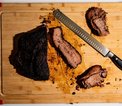
Pellet smokers make overnight brisket almost hands-off, but a few small habits separate a dry flat from a juicy, bark-covered triumph.
You don't need a twelve-hour cook to eat well on a Tuesday; these quick wood-fired meals come together in under an hour.