
Grilled Cedar Plank Salmon with a Maple Bourbon Glaze
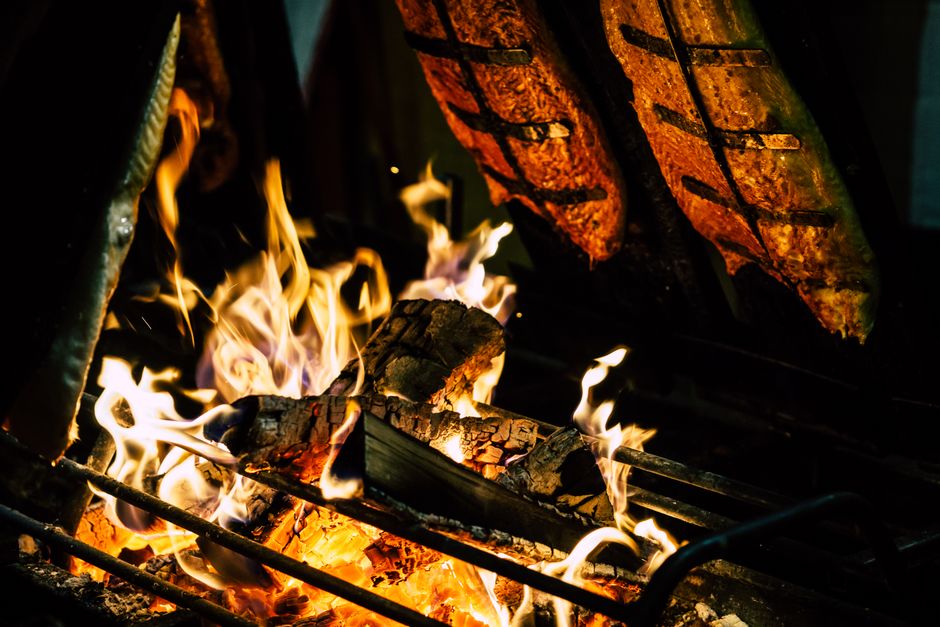
Salmon on the grill is one of those dishes that separates the casual cook from the serious one. Get it right and you have a fillet with crisp edges, a silky interior, and a whisper of smoke that makes the fish taste like it came from a lodge kitchen instead of your backyard. Get it wrong and you are scraping flaky fish off the grates with a spatula while your guests pretend not to notice. The difference comes down to a few small decisions, and the cedar plank is one of the best ones you can make.
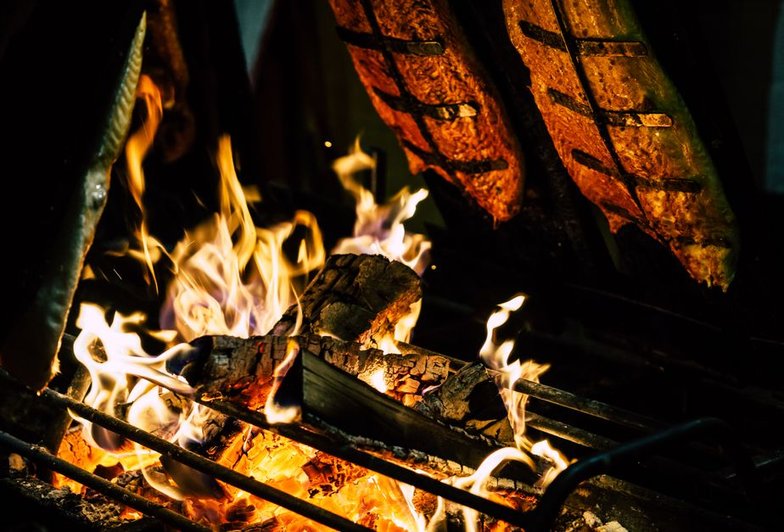
Planking is an old technique, used by Native American tribes in the Pacific Northwest long before anyone was writing about barbecue. The idea is simple. You soak a piece of untreated cedar in water for at least an hour, then place your fish on top and cook it over indirect heat. The wood smolders and steams, releasing aromatic compounds that perfume the fish without overwhelming it. It also acts as a buffer between the delicate flesh and the direct heat of the coals, which means you are far less likely to dry it out.
Preparing the Plank and the Fish
Start with a food-grade cedar plank. You can find them at most hardware stores or online, and they are usually sold in packs of three or four. Soak it fully submerged in a pan of water for at least an hour, longer if you have the time. Some cooks add a splash of apple cider or white wine to the soaking water for a little extra aroma. While the plank drinks, prepare your glaze. In a small saucepan, combine equal parts maple syrup and bourbon with a tablespoon of soy sauce, a clove of minced garlic, and a pinch of cayenne. Simmer it gently until it thickens enough to coat the back of a spoon, then set it aside to cool.
For the fish, choose a center-cut fillet with the skin on. The skin helps hold the meat together and provides a natural barrier against the plank. Pat it dry with paper towels, then season with salt and pepper. Let it sit at room temperature for fifteen minutes while you get your grill ready. You want a two-zone fire, with coals banked on one side and a cool zone on the other. Target a grate temperature of around 350 degrees. Place the soaked plank directly over the cool zone and close the lid for three to four minutes, until it starts to crackle and smoke. This preheats the wood and gets the aromatic oils moving.
Glazing, Cooking, and Serving
Lay the salmon skin-side down on the hot plank. Brush a thin layer of the glaze over the top and close the lid. Cook for twelve to fifteen minutes, brushing on another layer of glaze every five minutes or so. The sugars in the maple syrup will caramelize and form a lacquered surface that looks almost too good to eat. Watch for flare-ups, though. If the plank catches fire, spritz it with a little water from a spray bottle. You are looking for smolder, not flame.
The fish is done when the thickest part flakes easily with a fork and the internal temperature reads around 125 to 130 degrees for medium-rare. Pull the whole plank off the grill and let it rest for five minutes. Serve it right on the plank for a rustic presentation, or slide a spatula between the skin and the flesh to lift the fillets onto plates. A squeeze of lemon and a scattering of fresh dill finish it nicely. Pair it with a simple green salad or some grilled asparagus, and you have a meal that feels far more elegant than the effort it took.


Take your salmon to the next level with a cedar plank, a sticky maple bourbon glaze, and the gentle kiss of charcoal smoke.
The fuel you choose shapes everything from flavor to temperature control, so here is how to decide between charcoal, wood, and everything in between.
A well-built fire pit is more than a gathering place, it is a year-round cooking station for everything from steaks to stews.
From Texas brisket to Carolina whole hog, American barbecue is a patchwork of regional traditions, each with its own fuel, sauce, and story.
Pellet smokers make overnight brisket almost hands-off, but a few small habits separate a dry flat from a juicy, bark-covered triumph.