
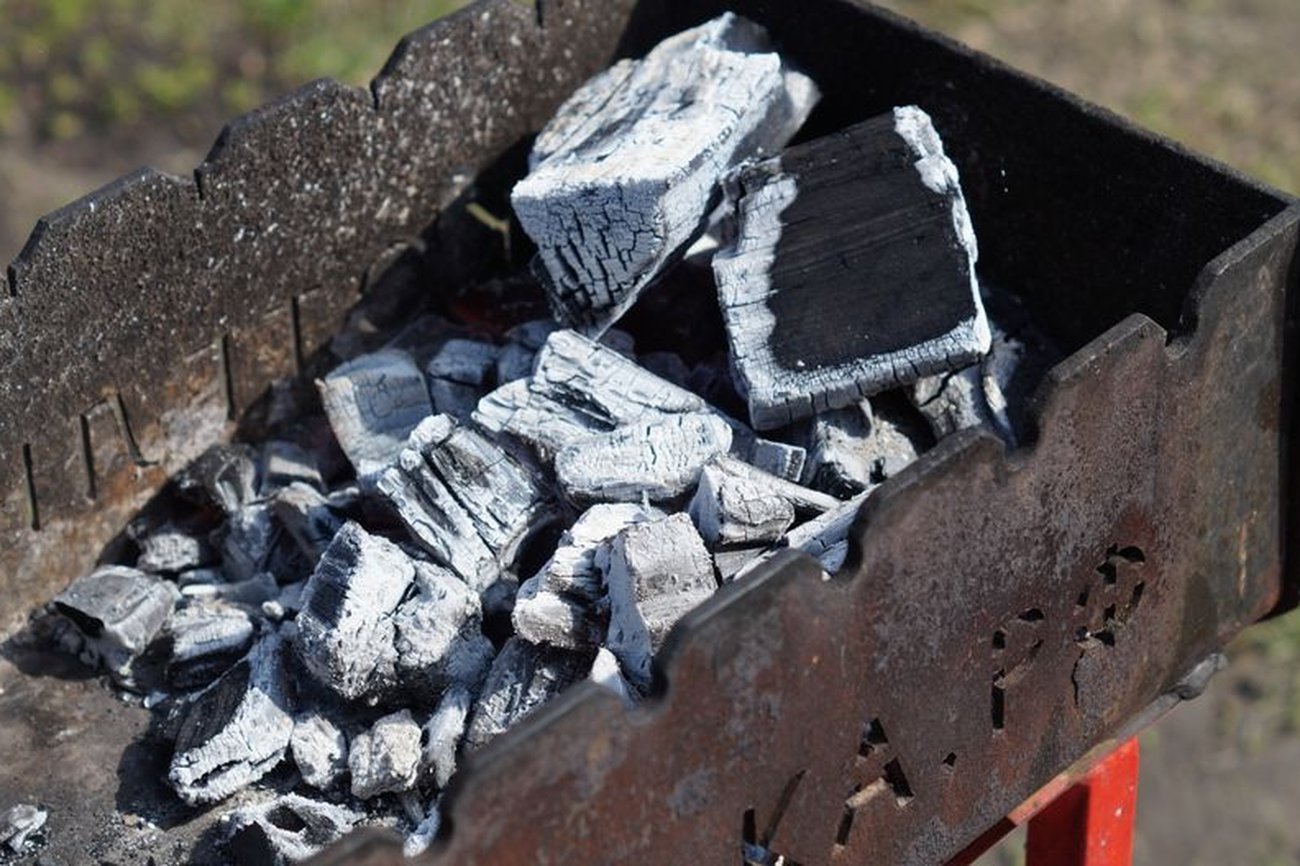

Understanding Wood: A Guide to Choosing Splits for Flavor and Heat
Ask ten pitmasters what wood they prefer and you'll get ten different answers, but they'll all agree on one thing: the wood matters as much as the meat. Every species of hardwood burns at a different temperature and leaves behind a distinct flavor profile, and choosing the right one for the right cook is one of the most satisfying skills a barbecue cook can develop.
The first rule is simple. Use hardwood, never softwood. Pine, fir, and cedar (for cooking, not planks) contain resins and sap that produce acrid smoke and creosote. Stick to oak, hickory, pecan, apple, cherry, maple, and their relatives. They burn clean, produce good coals, and taste like something you want to eat.
Matching Wood to Meat
Hickory is the classic American barbecue wood, bold and assertive with a bacon-like pungency. It's wonderful with pork ribs and shoulders, but it can overwhelm delicate poultry or fish if you're heavy-handed. Use it in moderation, mixed with a milder wood like oak or cherry.
Oak is the workhorse. It burns hot and long, produces a clean, slightly sweet smoke, and pairs with nearly everything, from brisket to lamb to vegetables. If you only keep one wood on hand, make it oak. Post oak in particular is the traditional choice for central Texas brisket, and for good reason.
Pecan is a gentler cousin to hickory, nutty and rich without the sharp edge. It's lovely with poultry, pork, and even seafood. Apple and cherry bring a fruity sweetness that flatters pork, chicken, and game birds. Cherry also gives meat a beautiful mahogany color. Maple is mild and slightly sweet, a good choice for vegetables and lighter proteins.
Mesquite burns extremely hot and fast, and its smoke is intense and earthy. It's traditional in the Southwest for quick grilling over direct heat, but it can turn bitter if you use it for long smokes. Save it for steaks, fajitas, and short cooks.
Seasoning, Size, and Storage
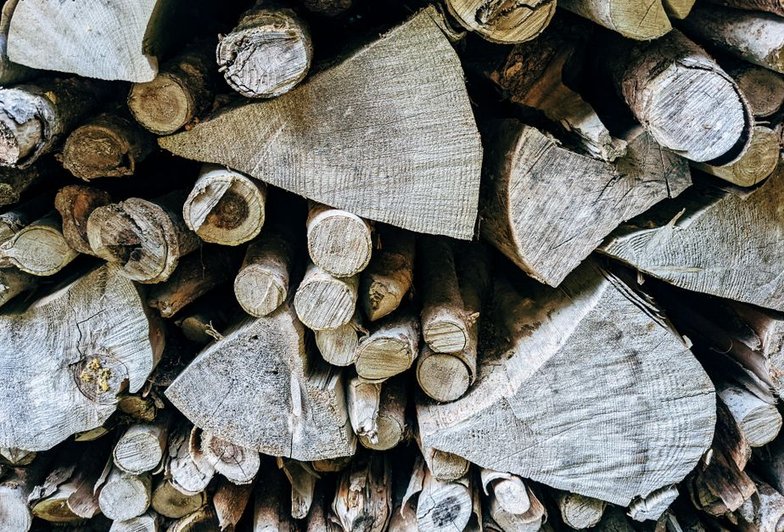
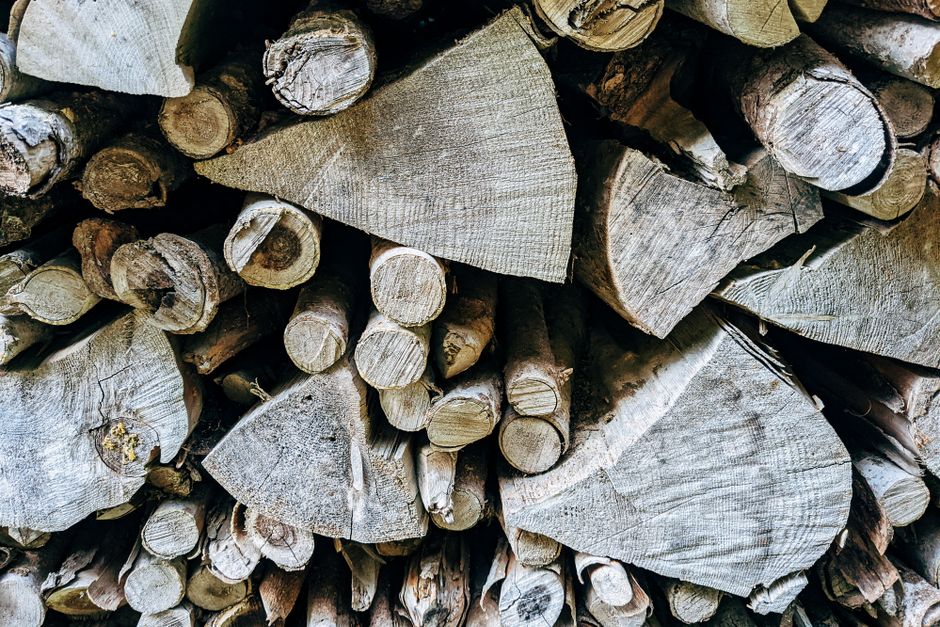
Green wood is the enemy of good barbecue. Freshly cut wood holds too much moisture, which produces steam, smoldering fires, and bitter smoke. Season your splits for at least six months, ideally a year, stacked off the ground with good airflow and covered on top but open on the sides. Properly seasoned wood is lighter than it looks, has visible cracks on the end grain, and rings hollow when you knock two pieces together.
Size matters too. Large splits burn slowly and are best for long cooks in an offset smoker. Smaller chunks work well in a kamado or kettle, where you want controlled bursts of smoke rather than a roaring fire. Chips are fine for a quick kiss of flavor on a gas grill, but they burn out fast and shouldn't be your primary source.
Store your wood somewhere dry and off the ground. A simple rack under a lean-to or even a pallet with a tarp over the top will do. Damp wood is a cook's worst nightmare, and no amount of skill in the pit can rescue a fire built on wet splits.
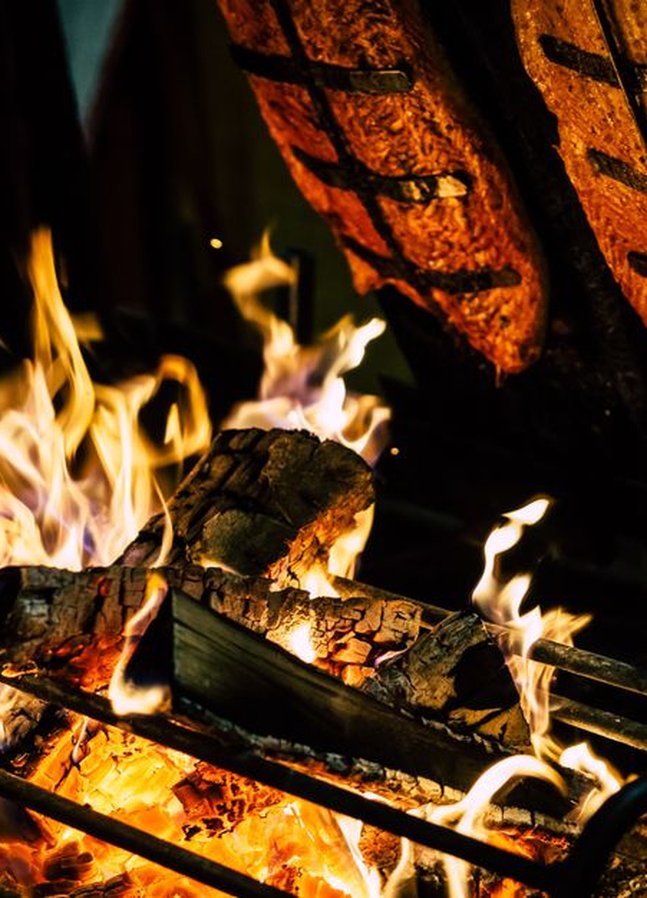
Once you start paying attention to wood, you'll notice flavors you never tasted before. A rack of ribs smoked over cherry tastes different from the same rack over hickory, and that difference is the whole joy of cooking with fire.
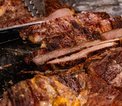
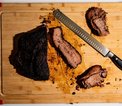

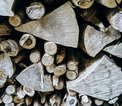

The wood you burn is the loudest voice in your barbecue, and learning to match species to food changes everything.
Barbecue has always been a communal act, and the best cooks understand that the meal is only half the reward.
Cold smoking opens the door to bacon, cheese, salmon, and more, and it's easier to set up than most people realize.
Master the patience-driven craft of turning a tough pork shoulder into meltingly tender pulled pork with nothing but time, smoke, and a good rub.
Take your salmon to the next level with a cedar plank, a sticky maple bourbon glaze, and the gentle kiss of charcoal smoke.