

The Social Side of Barbecue: Why Feeding People Is the Real Point
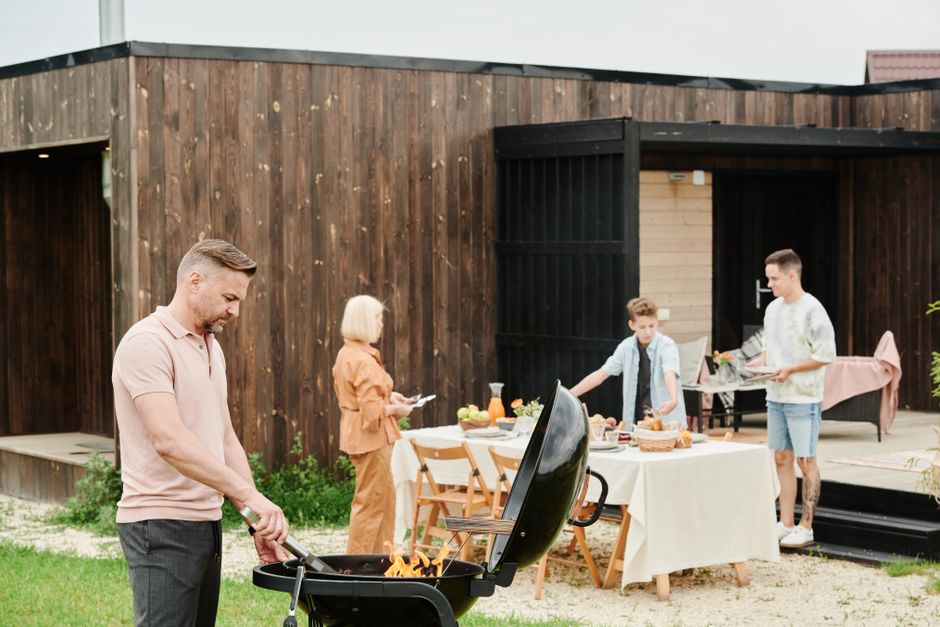
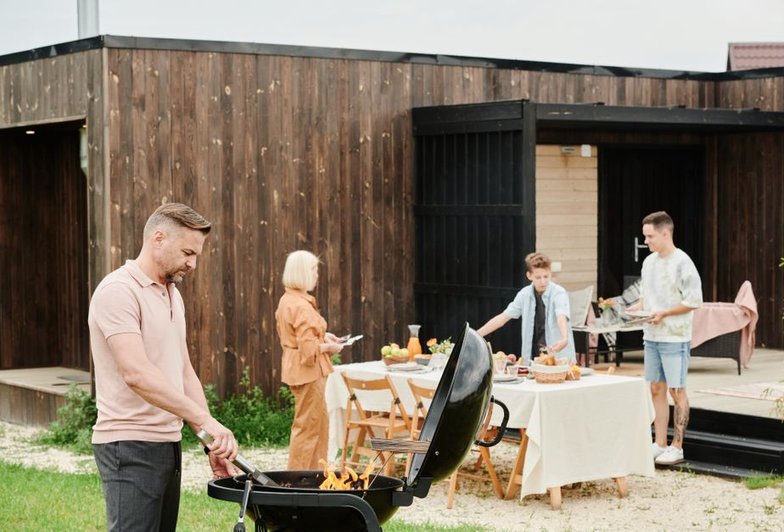
There's a reason barbecue shows up at every kind of gathering, from church picnics to tailgates to quiet Sunday afternoons with neighbors. It's slow, it's generous, and it feeds a crowd without demanding that anyone eat at a precise moment. A pork shoulder can rest for hours and still be perfect. A pot of beans only gets better as the afternoon wears on. Barbecue is food built for lingering.
That generosity is baked into the tradition. The earliest American barbecue pits were community affairs, where whole animals were cooked over open coals and the entire town showed up to eat. The cook wasn't a chef in the fine-dining sense; they were the person who tended the fire and made sure everyone got fed. That spirit still lives in backyard pits and roadside joints across the country.
Hosting Without the Stress
The biggest mistake new hosts make is trying to cook everything at the last minute. Barbecue rewards the opposite approach. Choose a main protein that can handle a long rest, like brisket, pulled pork, or a smoked turkey breast. Cook it the day before if you want, then reheat gently in a low oven with a splash of broth. Nobody at your table will know, and you'll actually get to talk to your guests.
Sides should be make-ahead too. Coleslaw, potato salad, baked beans, and pickles all improve with a few hours in the fridge. Cornbread can be baked that morning. The only thing that needs last-minute attention is anything you're grilling hot and fast, like sausages, chicken wings, or vegetables. Save those for the moment people arrive, when the fire is at its best and the smell pulls everyone outside.
Set up a station rather than a formal serving line. A cooler of drinks, a stack of plates, and a big cutting board where you slice the meat as people come through. Let guests serve themselves. Barbecue is informal by nature, and the more you lean into that, the better the gathering feels.
The Long Conversation Around the Fire
What makes barbecue different from other kinds of entertaining is the time it takes. A cook that runs six, eight, or twelve hours creates a natural rhythm. People drift in and out. Someone brings a chair and sits by the fire. Someone else opens a beer and asks what you're cooking. By the time the meat comes off, everyone has been part of the day, not just the meal.
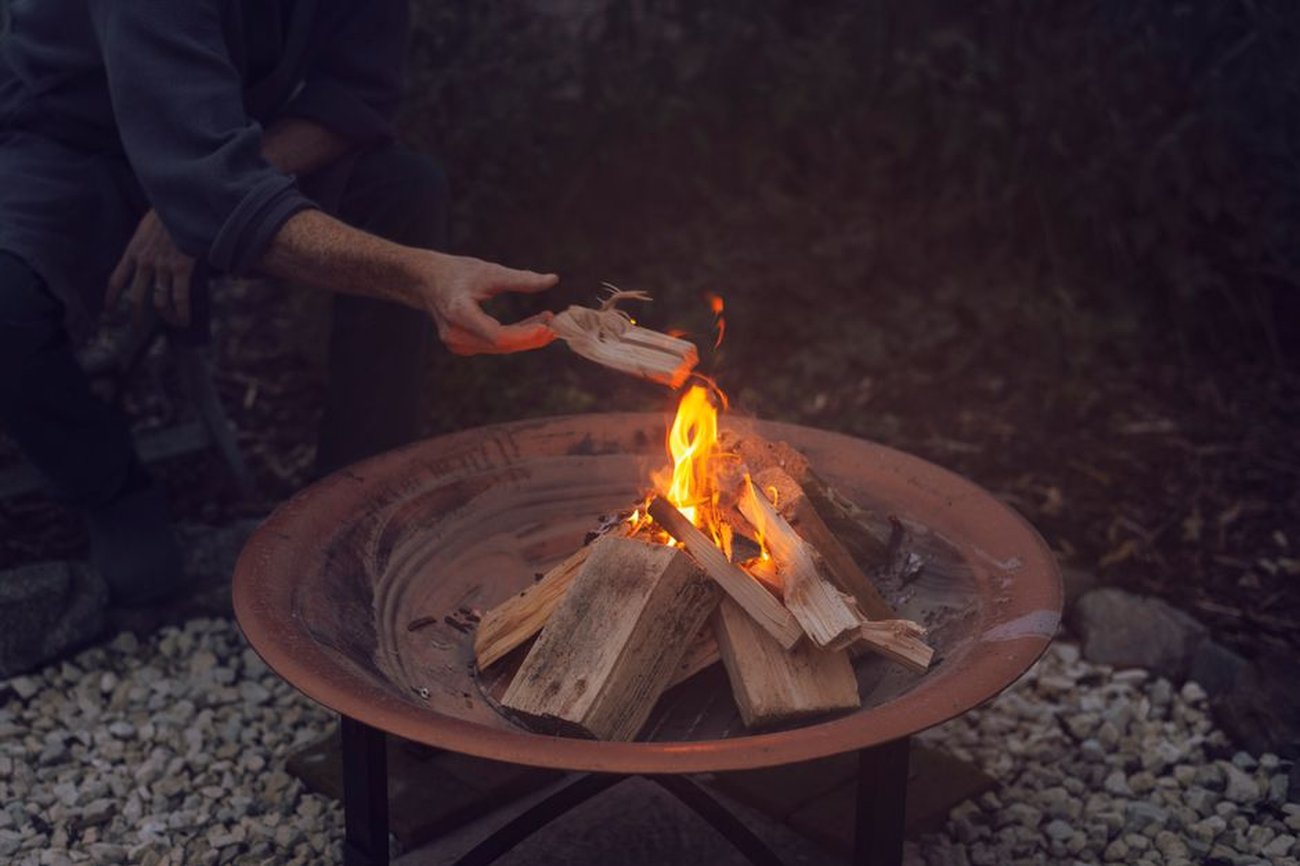
That's the real reason barbecue endures. It's not just about the bark on a brisket or the pull of a rib. It's about the hours spent tending the fire with company nearby, the stories swapped while the coals settle, and the shared satisfaction of a table full of people eating something you made with your own hands.
So the next time you fire up the pit, invite more people than you think you need. Cook more than you think you'll eat. Send everyone home with a foil-wrapped plate. Barbecue has always been about abundance, and the more you give away, the better it tastes.
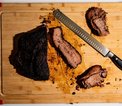


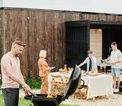
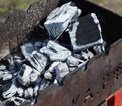
Barbecue has always been a communal act, and the best cooks understand that the meal is only half the reward.
Cold smoking opens the door to bacon, cheese, salmon, and more, and it's easier to set up than most people realize.
Master the patience-driven craft of turning a tough pork shoulder into meltingly tender pulled pork with nothing but time, smoke, and a good rub.
Take your salmon to the next level with a cedar plank, a sticky maple bourbon glaze, and the gentle kiss of charcoal smoke.
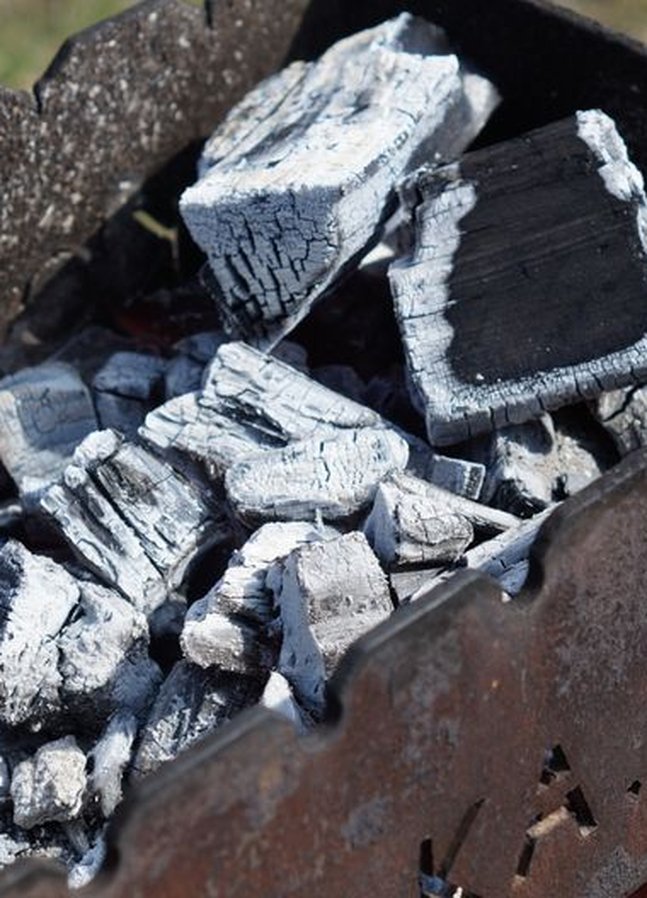
The fuel you choose shapes everything from flavor to temperature control, so here is how to decide between charcoal, wood, and everything in between.