


The Rise of Regional Barbecue: A Tour of American Smoke
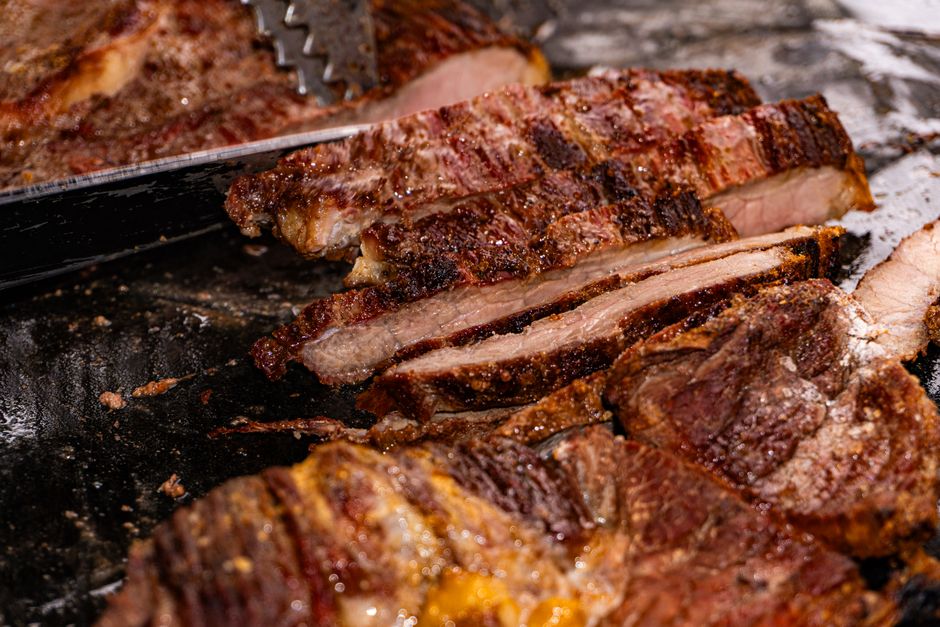
Barbecue in America is not one thing. It is a dozen things, each tied to a place and a people and a history. Ask someone from Kansas City what barbecue means and they will describe a sweet, thick sauce brushed over burnt ends and ribs. Ask someone from eastern North Carolina and they will talk about whole hog cooked over hardwood coals and dressed with a thin vinegar sauce that cuts through the richness. Ask a Texan and they will point to a slab of brisket with a salt-and-pepper bark and tell you that sauce is optional, even unnecessary. These are not just preferences. They are identities.
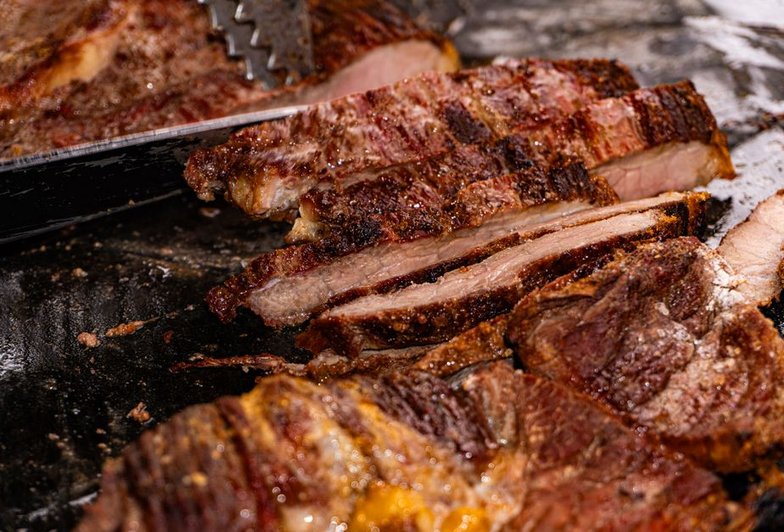
The regional divide comes down to a few variables. What animal is cooked, what fuel is used, what sauce is served, and how the meat is served. In Texas, beef reigns. The German and Czech immigrants who settled central Texas brought a tradition of smoking meats, and they adapted it to the inexpensive cuts of beef that were plentiful in the region. Brisket, a tough cut from the chest of the cow, became the star. It is cooked low and slow over oak or hickory, seasoned simply with salt and pepper, and sliced against the grain. Sauce is a side note, a condiment for those who want it, never the main event.
Carolina, Memphis, and Kansas City
In the Carolinas, pork is king. Eastern North Carolina is the home of whole hog barbecue, where a pig is split, cooked over coals for hours, and then chopped and dressed with a vinegar and pepper sauce. Move west toward Lexington and you find pork shoulder instead of whole hog, and a sauce that adds a little tomato to the vinegar base. Continue into South Carolina and you hit mustard country, a style influenced by German settlers that gives the pork a tangy, yellow-coated finish. Each of these is distinct, and locals will argue about which is correct with a seriousness usually reserved for politics.
Memphis sits somewhere in the middle. It is a pork town, known for ribs, both wet and dry. Dry ribs are rubbed with a spice blend and smoked without sauce, while wet ribs are mopped and finished with a sticky glaze. Pulled pork sandwiches are common, often topped with coleslaw. The sauce is typically sweet and tangy, tomato-based with a hint of molasses. Kansas City takes things further. It is a melting pot style, influenced by both Texas and Memphis, and it is famous for its thick, sweet sauce, its burnt ends, and its wide range of meats. You will find ribs, brisket, pulled pork, and sausage on the same platter, all slathered in sauce.
Why the Differences Matter
These regional styles are not just about flavor. They are records of migration, agriculture, and economics. The hogs in the Southeast, the cattle in Texas, the wood available in each region, the crops that grew nearby. Barbecue evolved from what people had and what they could do with it. The vinegar sauces of the Carolinas came from a time when refrigeration was scarce and acid helped preserve meat. The sweet molasses-based sauces of Kansas City reflect the city's history as a trading hub for sugar and spices.
Today, those lines are blurrier than ever. Pitmasters travel, share techniques, and blend styles. You can find Texas brisket in Brooklyn and Carolina whole hog in Portland. That cross-pollination is a good thing. It keeps the craft alive and evolving. But it is worth remembering where these traditions come from, and the people who built them. The next time you sit down to a plate of barbecue, take a moment to think about the region it represents. There is a story in every bite, and it is a story worth telling.





From Texas brisket to Carolina whole hog, American barbecue is a patchwork of regional traditions, each with its own fuel, sauce, and story.
Pellet smokers make overnight brisket almost hands-off, but a few small habits separate a dry flat from a juicy, bark-covered triumph.
You don't need a twelve-hour cook to eat well on a Tuesday; these quick wood-fired meals come together in under an hour.
The wood you burn is the loudest voice in your barbecue, and learning to match species to food changes everything.
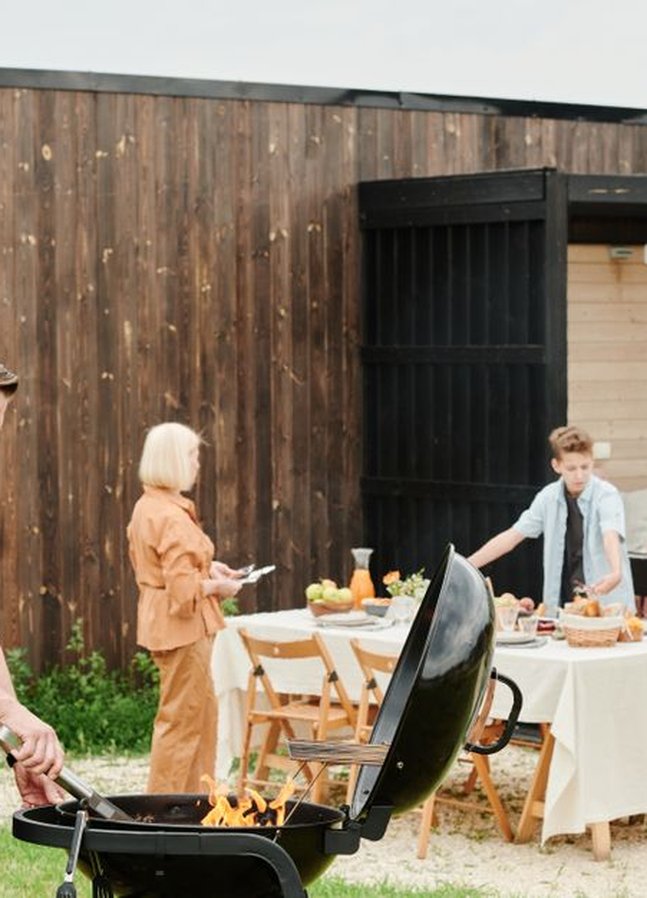
Barbecue has always been a communal act, and the best cooks understand that the meal is only half the reward.