
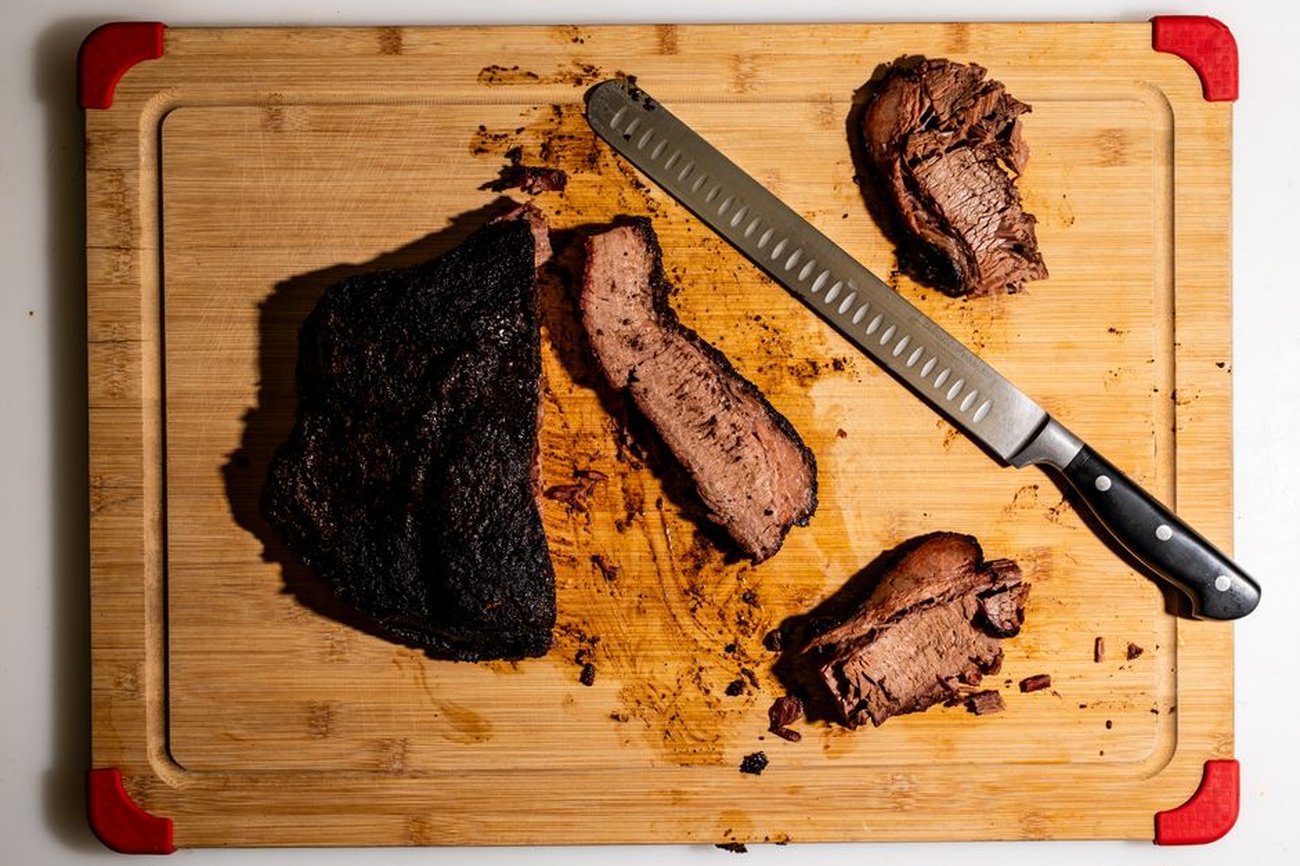

The Low and Slow Art of Smoking a Perfect Pork Butt
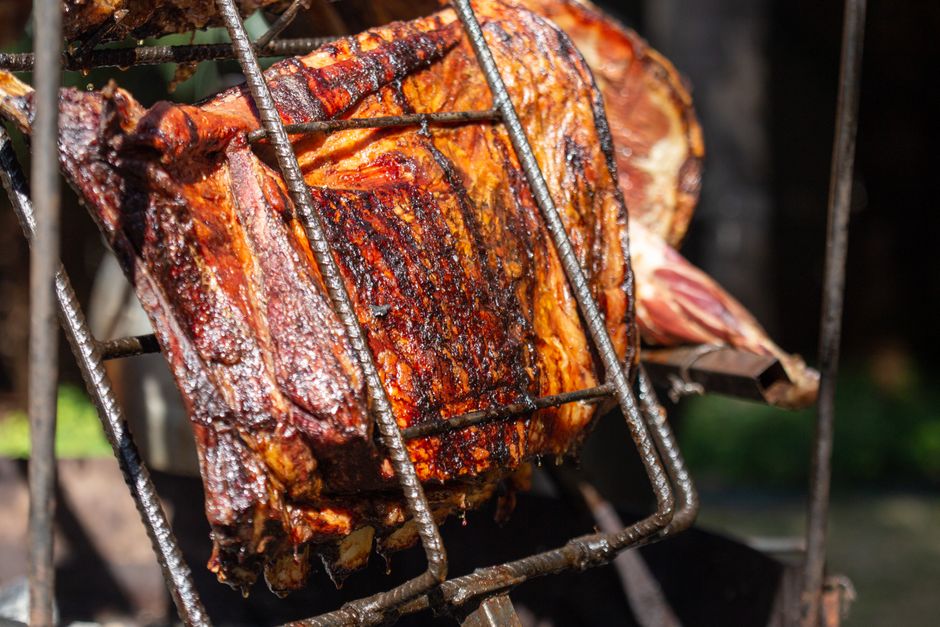
There is something almost meditative about a pork butt. It is a forgiving cut, cheap enough to experiment with, and generous enough to feed a crowd. But make no mistake, the magic does not happen because of a fancy marinade or a secret injection. It happens because you are willing to give it time. A pork butt, also called a Boston butt or pork shoulder, is packed with connective tissue that needs hours of gentle heat to break down into gelatin. Rush it and you get tough, stringy meat. Respect it and you get something that pulls apart under the lightest pressure of a fork.
The first decision you make is your setup. For a pork butt, I like a steady temperature somewhere between 225 and 275 degrees Fahrenheit. Lower and slower gives you a deeper smoke ring and a more pronounced bark, but it also stretches the cook into the fourteen to sixteen hour range. Higher and faster, closer to 275, can shave a few hours off without sacrificing much quality. Either way, the key is consistency. Drafty smokers that swing fifty degrees in either direction will give you uneven results, so take the time to learn your vents and your fuel.
Building the Bark and Choosing Your Wood
Before the meat ever touches the grate, it needs a rub. A simple combination of coarse black pepper, kosher salt, paprika, garlic powder, and a touch of brown sugar does more than enough. Skip the wet binders unless you really want them. The natural moisture on the surface of the pork will hold the rub just fine. Apply it generously, then let the meat sit at room temperature for thirty to forty minutes while your smoker comes up to temp. This gives the salt time to begin its work and helps the rub adhere.
Wood choice matters more than most people admit. Pork butt plays well with fruitwoods and milder hardwoods. Apple and cherry give you a sweetness that complements the richness of the meat. Hickory is bolder, almost bacon-like, and works well if you are going for a classic barbecue profile. Pecan sits somewhere in the middle, nutty and warm. A common mistake is oversmoking. You only need clean, thin blue smoke for the first three or four hours. After that, the meat has absorbed what it is going to absorb, and continuing to pile on wood chips just builds creosote. Let the coals do the work from there.
The Stall, the Wrap, and Knowing When It Is Done
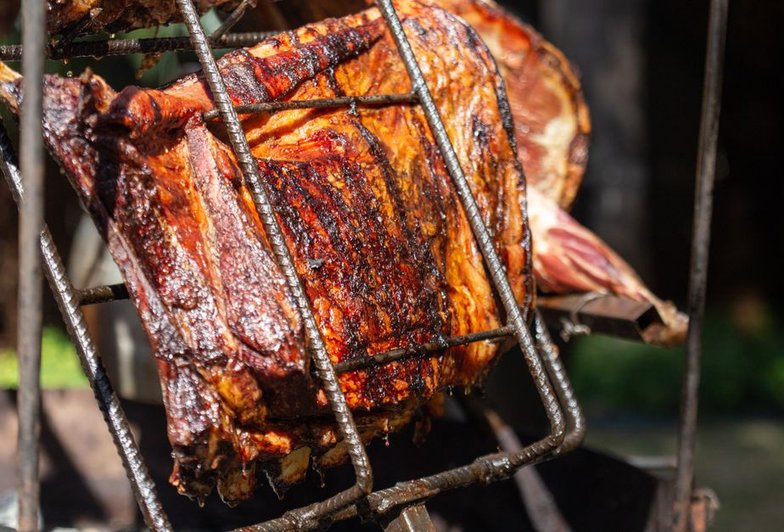
Somewhere around the six to eight hour mark, your pork butt will hit the stall. The internal temperature will sit stubbornly at 150 to 165 degrees for what feels like forever. This is not a sign that something is wrong. It is evaporative cooling doing its thing, and it is the moment when all that collagen is quietly converting. You can push through it unwrapped, which gives you a firmer bark, or you can wrap in butcher paper or foil to speed things along. Butcher paper is the middle ground, letting some moisture escape while still protecting the meat. Foil is faster but softens the crust.
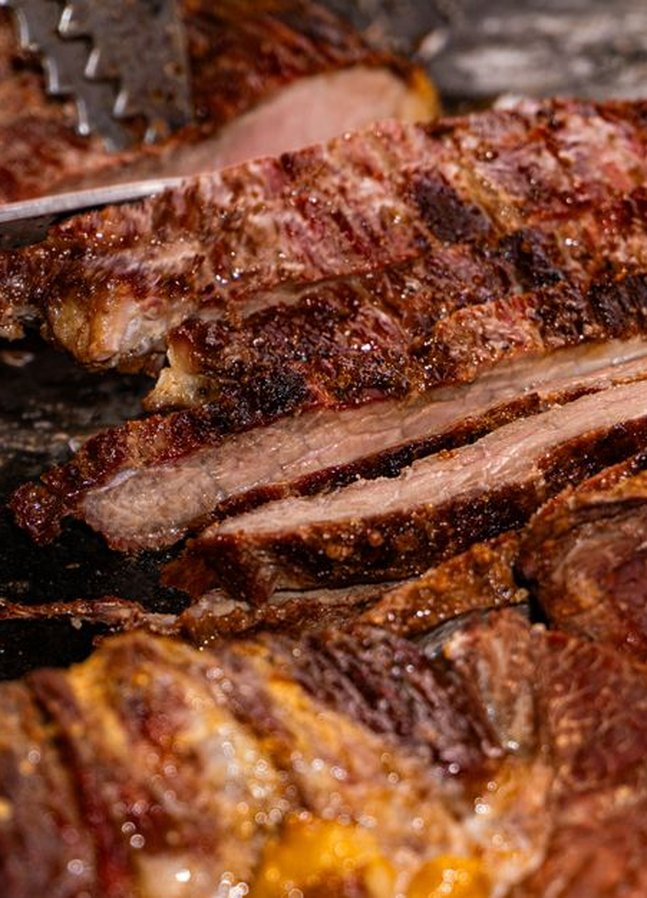
Do not cook to a number alone. A pork butt is done when a probe slides in with almost no resistance, like going into warm butter. That usually happens somewhere between 200 and 205 degrees, but every piece of meat is different. When it is ready, pull it off, wrap it if it is not already, and let it rest in a cooler or a warm oven for at least an hour. This rest is not optional. It lets the juices redistribute and the fibers relax. Then shred it with two forks, pile it on a soft bun, and remember why you got into this whole business in the first place.


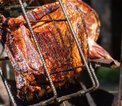
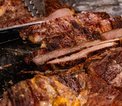
Master the patience-driven craft of turning a tough pork shoulder into meltingly tender pulled pork with nothing but time, smoke, and a good rub.
Take your salmon to the next level with a cedar plank, a sticky maple bourbon glaze, and the gentle kiss of charcoal smoke.
The fuel you choose shapes everything from flavor to temperature control, so here is how to decide between charcoal, wood, and everything in between.
A well-built fire pit is more than a gathering place, it is a year-round cooking station for everything from steaks to stews.
From Texas brisket to Carolina whole hog, American barbecue is a patchwork of regional traditions, each with its own fuel, sauce, and story.