
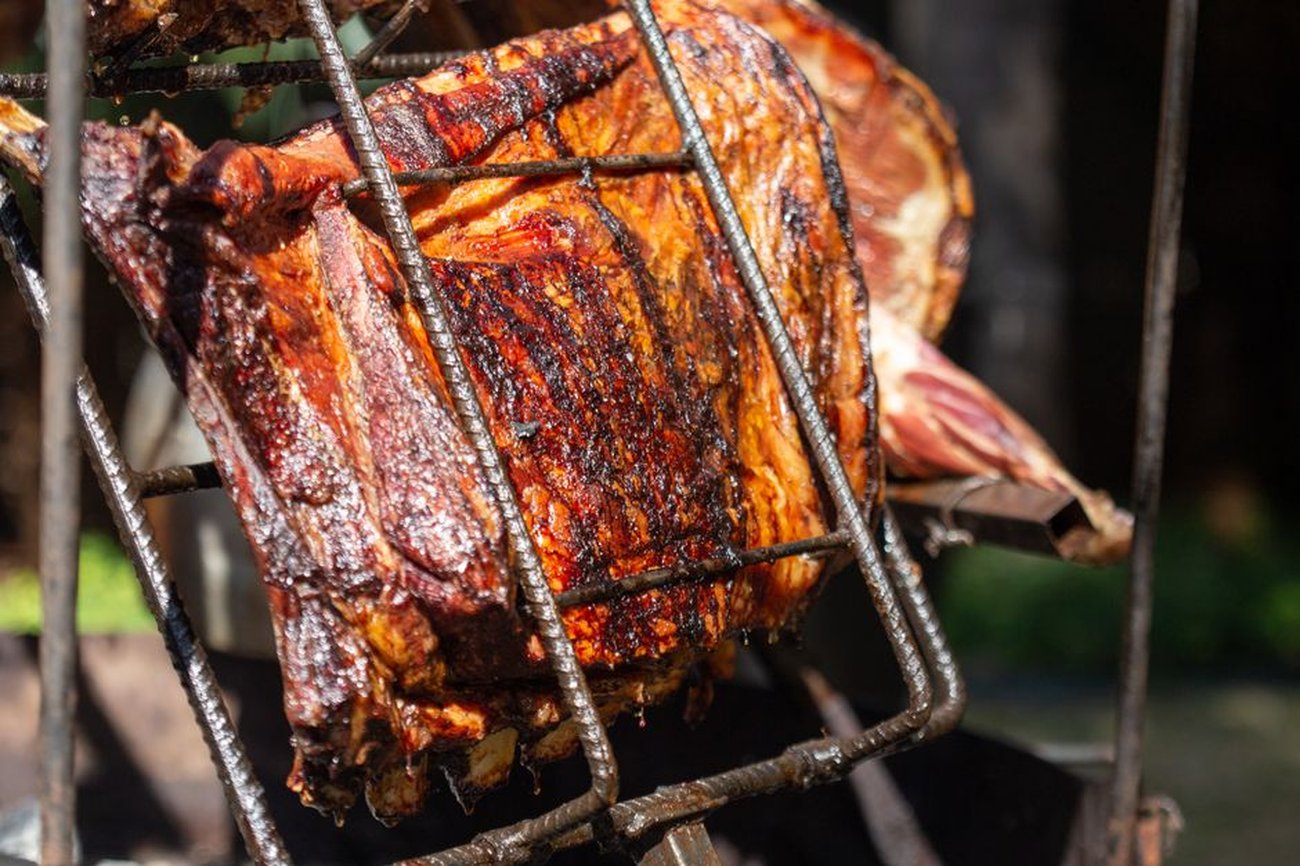

How to Smoke Brisket on a Pellet Grill Without Losing Your Mind
Pellet grills have a reputation for being the easy button of barbecue, and for the most part that reputation is earned. Set the temperature, fill the hopper, and the controller feeds pellets to hold a steady fire for hours. But anyone who has pulled a brisket off a pellet smoker only to watch it crumble into dry slices knows the machine doesn't do the thinking for you. The cooker manages the fire; you still manage the meat.
The first decision happens before the brisket ever hits the grate. Buy a whole packer, not just a flat. The point carries the fat that bastes the flat as it renders, and a full packer gives you a wider window before the lean side dries out. Trim the fat cap down to about a quarter inch, but leave the seam fat between the point and flat alone. That seam is your insurance policy during the long stall.
Temperature, Time, and the Dreaded Stall
Run your pellet grill at 225°F for the first several hours. Fruitwood pellets like apple or cherry pair beautifully with beef, though many cooks swear by a blend with oak or hickory for a stronger bark. Place the brisket fat side down if your grill's heat source sits below the grate, or fat side up if the heat comes from the side. The goal is to shield the meat from direct radiant heat.
Somewhere around 150°F to 165°F internal, the brisket will stall. Evaporative cooling from the surface moisture fights the rising temperature, and the needle may sit still for two or three hours. This is normal. Resist the urge to crank the heat. Instead, wrap the brisket in butcher paper once the bark has set and feels tacky to the touch. Butcher paper breathes, which keeps the bark from steaming into mush the way foil can. If you prefer foil for speed, that's fine, but expect a softer crust.
Continue cooking until the brisket probes like warm butter, usually between 200°F and 205°F. Don't trust the number alone. Slide a thermometer probe into the flat; if it goes in with almost no resistance, you're done. If it fights back, give it another thirty minutes and check again.
Resting Is Not Optional
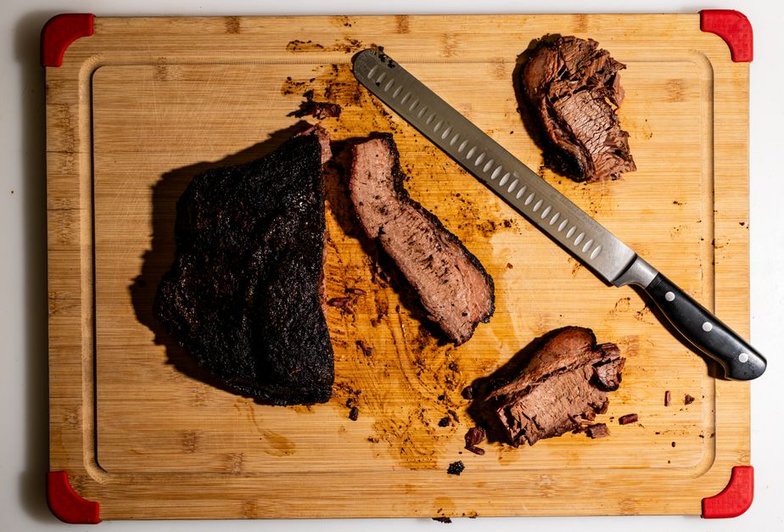
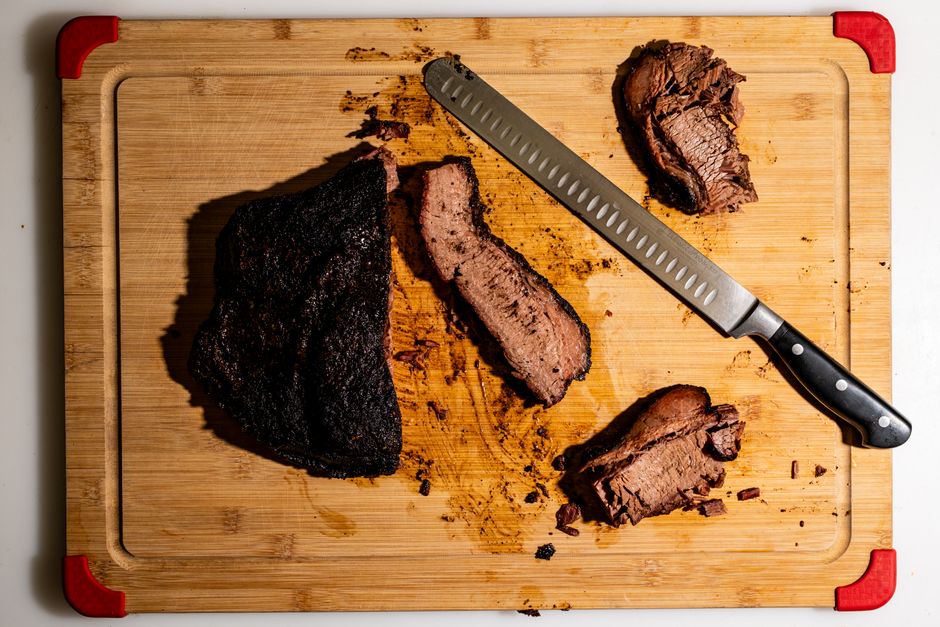
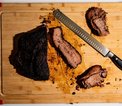
The rest is where a good brisket becomes a great one. Wrap the finished brisket in a towel, tuck it into a cooler, and leave it alone for at least an hour, ideally two. The internal temperature will gradually drop, the juices will redistribute, and the collagen that broke down during the cook will settle into something silky. Slice against the grain, separating the flat from the point first so you can cut each section in its own direction.
Pellet grills reward patience more than skill, which is good news for anyone cooking on a busy schedule. Start your brisket the night before, sleep in shifts, and let the controller do the heavy lifting. The payoff is a slab of beef that tastes like you tended a stick burner all day, without the bags under your eyes.
Pellet smokers make overnight brisket almost hands-off, but a few small habits separate a dry flat from a juicy, bark-covered triumph.
You don't need a twelve-hour cook to eat well on a Tuesday; these quick wood-fired meals come together in under an hour.
The wood you burn is the loudest voice in your barbecue, and learning to match species to food changes everything.
Barbecue has always been a communal act, and the best cooks understand that the meal is only half the reward.
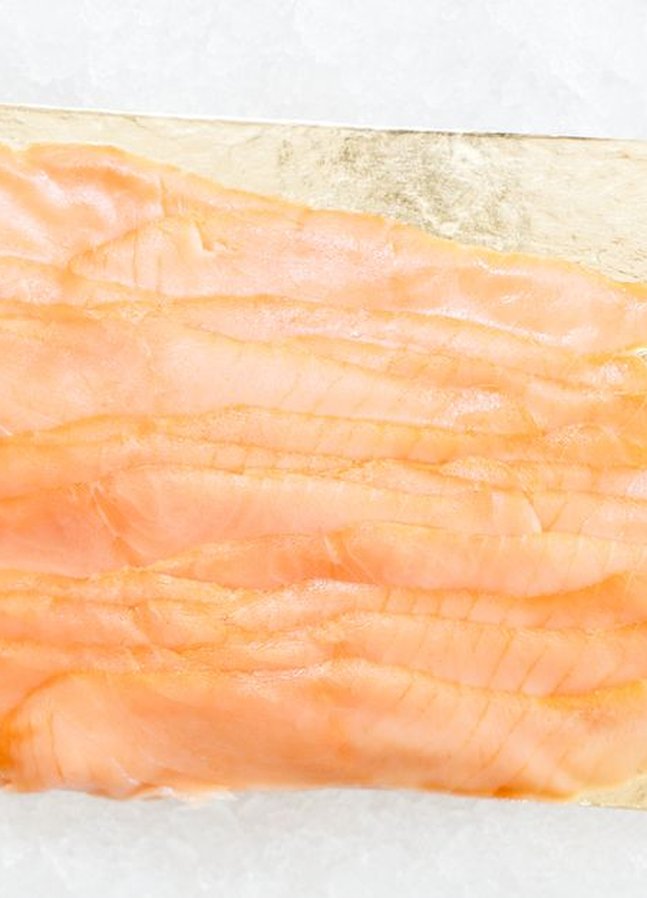
Cold smoking opens the door to bacon, cheese, salmon, and more, and it's easier to set up than most people realize.