
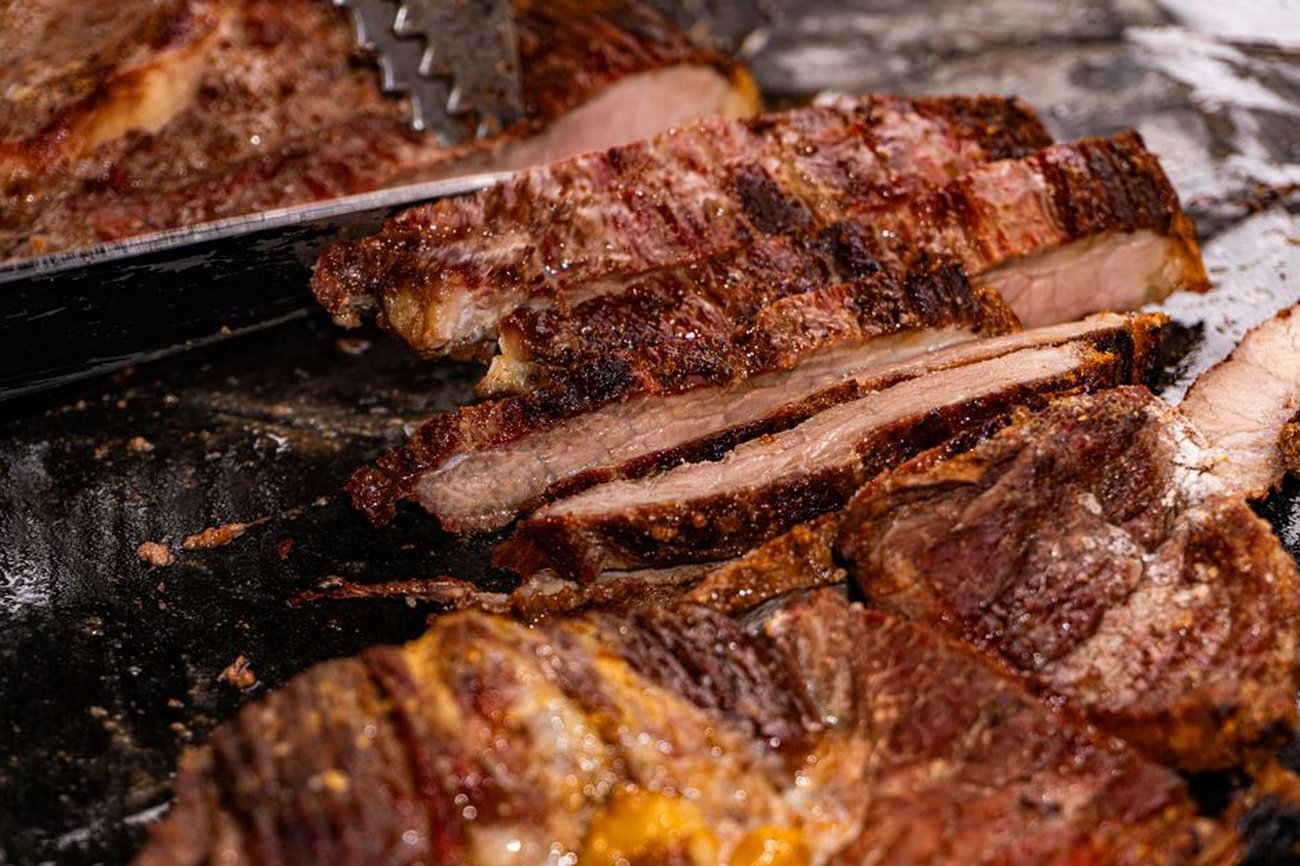

Cold Smoking at Home: A Beginner's Guide to Smoke Without Heat
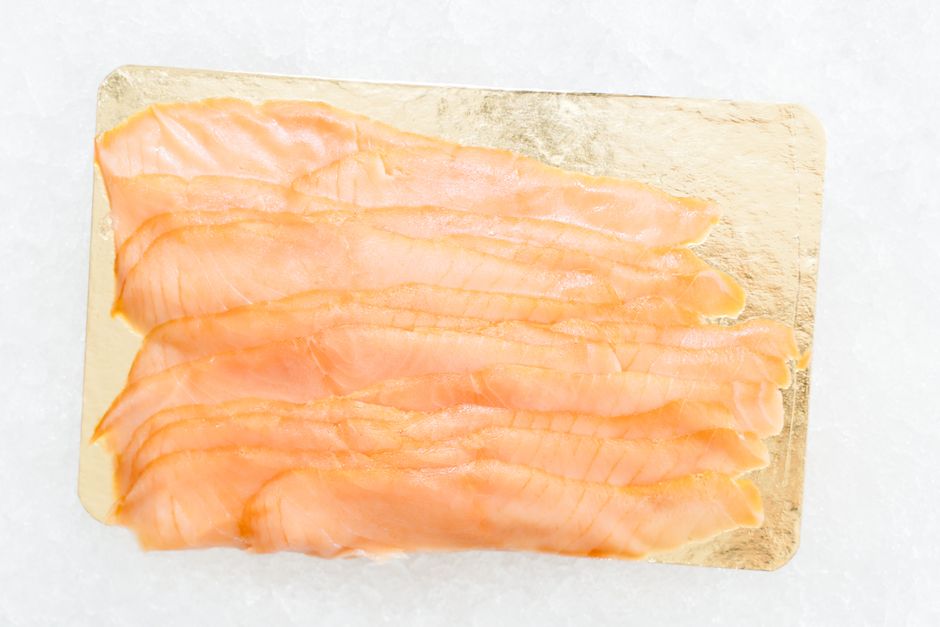
Most backyard cooks know hot smoking, the low-and-slow method that turns pork shoulders into pulled pork and briskets into slabs of joy. Cold smoking is a different animal entirely. The goal is to flavor food with smoke while keeping the temperature low enough that the food doesn't actually cook. The result is a whole category of treats that hot smoking can't produce: bacon, lox, smoked cheese, smoked butter, even smoked salt.
The principle is straightforward. Smoke is generated in one place and travels to the food in another, cooling along the way. The food stays below roughly 85°F to 90°F, which means it never reaches the temperatures where proteins set or fats render. What it does get is hours of gentle, aromatic smoke that permeates the surface and slowly works its way inward.
Setting Up a Cold Smoker
You don't need a dedicated cold smoker to get started. A simple setup works fine: a kettle grill, a cardboard box, or an old refrigerator, connected to a smoke source by a length of ducting or stovepipe. The smoke source can be a maze-style pellet smoker, a soldering-iron gadget with wood chips, or a small fire in a separate chamber. What matters is that the smoke arrives cool.
On a hot day, you'll need to add a length of pipe or a series of bends to give the smoke time to shed heat. On a cool day, you have more margin. Aim to keep the temperature inside your smoking chamber under 80°F if possible, and never let it climb above 100°F for extended periods. A simple thermometer placed near the food is essential.
Cheese is the classic beginner project. A block of sharp cheddar or gouda, smoked for two to four hours over apple or cherry, takes on a beautiful amber color and a mellow smoke flavor. The catch is that freshly smoked cheese tastes harsh and ashy. Wrap it tightly and let it rest in the fridge for at least a week, ideally two. The smoke mellows and integrates, and what emerges is something you'll never find on a grocery shelf.
Safety, Curing, and Patience
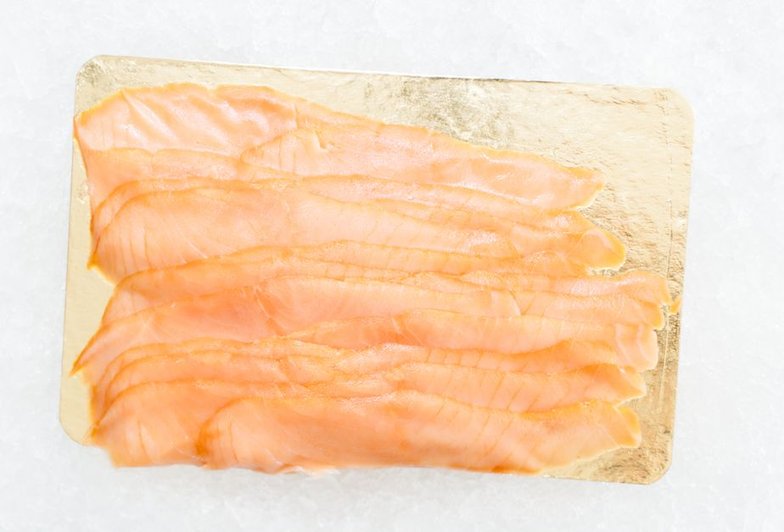
Here's where cold smoking demands respect. Because the food stays in the temperature range where bacteria thrive, anything you cold smoke for more than a short time should be cured first. That means a salt-and-cure mix, usually containing pink curing salt, applied for days or weeks depending on the item. Bacon, ham, and cold-smoked salmon all rely on curing to stay safe. Don't skip this step, and don't improvise the ratios. Follow a tested recipe.
Cold-smoked vegetables like garlic, onions, and peppers are lower risk and a great way to learn the process. Smoked garlic mashed into butter is a revelation. Smoked salt is even easier: spread coarse salt on a tray, smoke it for a few hours, and store it in a jar. It keeps indefinitely and adds a whisper of smoke to anything you cook.
Cold smoking is a slow craft, and that's part of the appeal. It asks you to think in days rather than hours, to plan ahead, to trust the process. The rewards, whether a slab of homemade bacon or a wedge of deeply smoked cheddar, taste like something you earned.
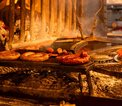
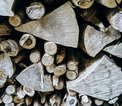

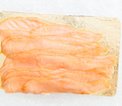
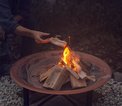
Cold smoking opens the door to bacon, cheese, salmon, and more, and it's easier to set up than most people realize.
Master the patience-driven craft of turning a tough pork shoulder into meltingly tender pulled pork with nothing but time, smoke, and a good rub.
Take your salmon to the next level with a cedar plank, a sticky maple bourbon glaze, and the gentle kiss of charcoal smoke.
The fuel you choose shapes everything from flavor to temperature control, so here is how to decide between charcoal, wood, and everything in between.
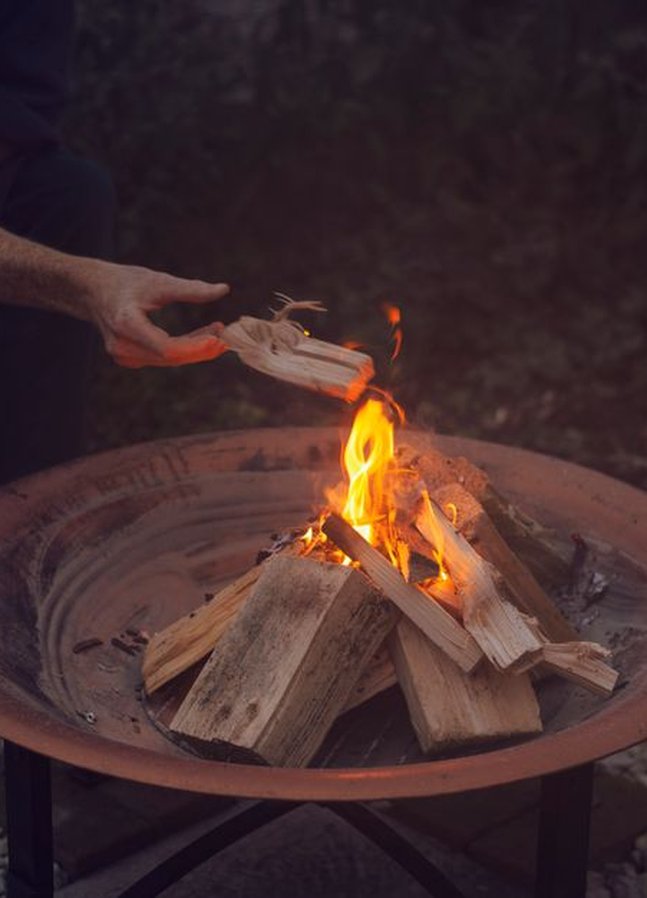
A well-built fire pit is more than a gathering place, it is a year-round cooking station for everything from steaks to stews.